
- Home
- About Us
- Services
- Products
- Our Clientele
- Blogs
Shed steel, process piping and audit ready fire safety for the dyeing, finishing and garment units of Karachi's dedicated textile estate.
Tarmal Construction Solutions supplies the heavy steel and utility materials that textile projects burn through, from the first column of a weaving hall to the last sprinkler valve before a buyer audit. Family owned and serving industry since 1961.
Textiles are Pakistan's largest export earner, yet for most of the country's history the industry grew in scattered pockets across SITE, Korangi, Landhi and Faisalabad, with mills squeezed into whatever plots were available. Pakistan Textile City was conceived to change that pattern in Karachi. The company behind it was set up in 2009 with a large federal government stake, a share held by the Sindh government and participation from several state linked banks and investment firms.
The estate occupies about 1,250 acres inside the North Western Industrial Zone of Port Qasim, roughly six kilometres off the National Highway. The location was chosen deliberately. Processing mills need large volumes of water, gas and power, and exporters want to be close to a deep water port. Placing the city inside the Port Qasim industrial complex put containers, utilities and land in one place.
Progress has been slower than the original plan, with financing issues and changing government priorities affecting the pace of build out, and revival efforts have been discussed at federal level more than once. For investors that means the estate is a mix of established units, plots under construction and land still waiting for development. Each of those stages needs different material support.
Textile buildings are also unusual. Weaving and stitching halls want long, column free spans with good natural light. Wet processing units need corrosion resistant drainage, chemical stores and steam lines. Export buyers send auditors who check fire exits, electrical panels and alarm systems in detail. A building material supplier in Pakistan Textile City has to understand all three demands at once.
Energy and water planning also shape what gets built. Mills inside a dedicated estate expect shared infrastructure, but many still add their own boiler houses, captive generation, water softening and effluent pre treatment to protect production. Each of those additions brings its own steel structure, pipe network, tanks and lifting points. In practice a single processing unit can generate a material list several times longer than a normal warehouse of the same size, and much of it arrives in small, urgent batches as installers discover what they need on site. That pattern is exactly why textile clients value a supplier who keeps broad stock in Karachi and can turn around a mixed order of pipe, flanges, cable and fasteners within a day.
We think about this estate in terms of the facility being built rather than the plot number, because a dye house and a stitching unit next door to each other buy completely different things.
Wet Processing Units
Dyeing, bleaching, printing and finishing plants are the most material intensive. They need seamless and galvanized pipes for steam, condensate and hot water, stainless compatible fittings, chemical resistant coatings for floors and drains, and gratings over effluent channels. Corrosion is constant, so we help choose finishes and grades that last in a wet, chemical heavy environment.
Weaving, Knitting and Garment Halls
These buildings are about span and light. Owners want wide sheds built from H-Beams, I-Beams, C Channels and Z purlins, with roof sheeting, skylights and ventilation openings. Inside, the priority shifts to cable trays, lighting, switchgear and dust control. Large garment floors also need emergency lighting, alarm systems and extinguishers placed to satisfy buyer compliance checks.
Utilities and Support Blocks
Every textile estate depends on boiler houses, water treatment plants, effluent treatment plants, warehouses and worker facilities. These blocks call for tanks and trays, heavy pipe and fittings, pumps supports, lifting equipment for maintenance and boundary fencing. They are often built by specialist contractors who need steel and fittings delivered to a tight installation sequence.
Across all of them we coordinate access through the Port Qasim road network and the estate gate in advance, so a construction material supplier in Pakistan Textile City arrives with the right load at the right time.
Project managers at textile units often look for a building material supplier near me when an auditor's report lands with a list of fixes and a short deadline, or when a new machine order means the shed has to grow before the looms arrive. Speed and certainty count more than anything else in those moments.
Quick answer
Tarmal Construction Solutions is a Karachi based wholesale steel supplier in Pakistan Textile City and the wider Port Qasim area. We supply long span shed steel, steam and water piping, cable trays and electrical material, fire fighting equipment, fencing and site consumables. Call +923323165302 for stock confirmation and a delivered quotation.
A local supplier also understands the textile calendar. Export orders peak in certain seasons, and mills avoid shutting lines during those months. Maintenance and expansion work gets squeezed into short breaks, which means material has to be on site before the break starts. A reliable steel supplier in Pakistan Textile City plans around that rhythm.
Consolidation is the other benefit. Instead of separate vendors for beams, steam pipe, cable trays, emergency lights and extinguishers, mills can deal with one material provider and one account, which simplifies reconciliation for finance teams and gives auditors one clear trail of purchase records.
We also see many mills hire separate contractors for civil work, steel erection, mechanical installation and electrical fit out. When all of them draw material from one supplier, clashes over grades, sizes and delivery dates drop sharply, and the owner keeps control of spending instead of discovering hidden extras at the end.
As a wholesale building material supplier in Pakistan Textile City, we cover structure, utilities and compliance from a single stock base. Our catalogue falls into three practical groups.
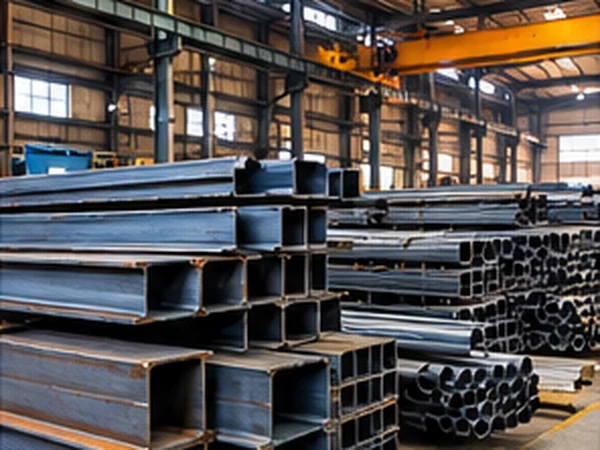
Our iron and steel stock includes H-Beams, I-Beams, C Channels, equal and unequal angles, flat bars, plain bars and deformed bars, the core of any long span textile shed. We also supply aluminium sheet, coil, doors and windows for offices and clean finishing areas, and copper rods, strips and fittings for earthing systems, which matter in mills full of motors and static prone fibres.
We provide metal fabrication for platforms, catwalks, pipe racks and machine stands, along with storage tanks and trays for chemicals and water, cable tray systems, gratings for drains and powder coated components. For plot security and segregation of chemical stores we supply fencing material including chain link, welded mesh, barbed wire and razor wire.
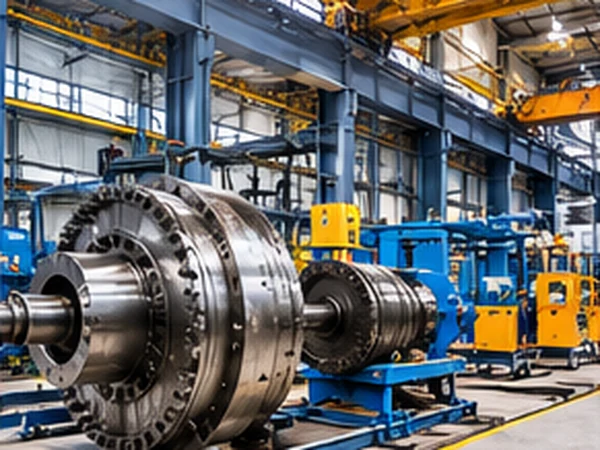
For textile clients the electrical, fire safety and piping lines on this list are often as important as the steel, because those are the items auditors inspect first.
Textile City was created for one sector, but a working mill depends on many others, from chemical suppliers to packaging firms. The cards below start with the industries most active in the estate and continue with the full list we serve.
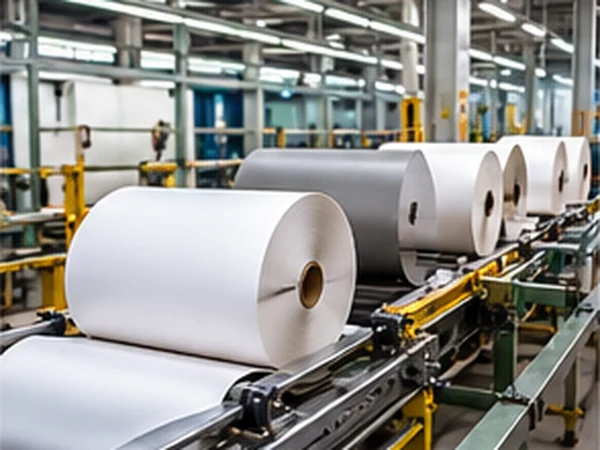
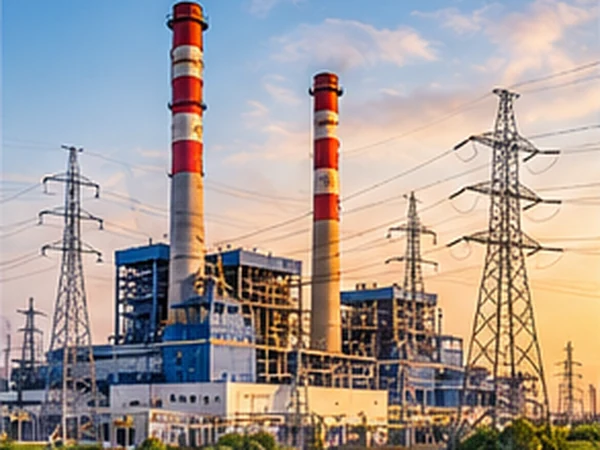
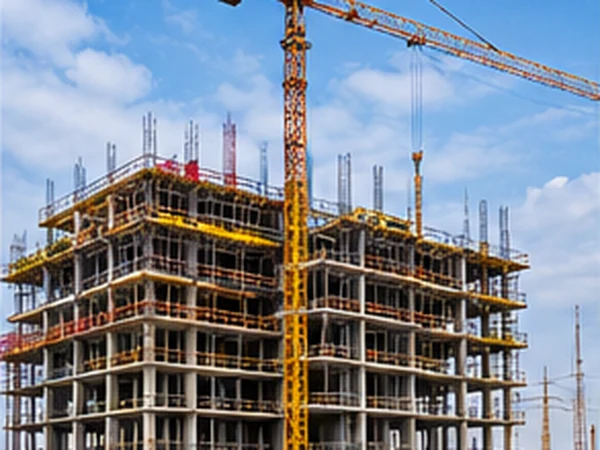
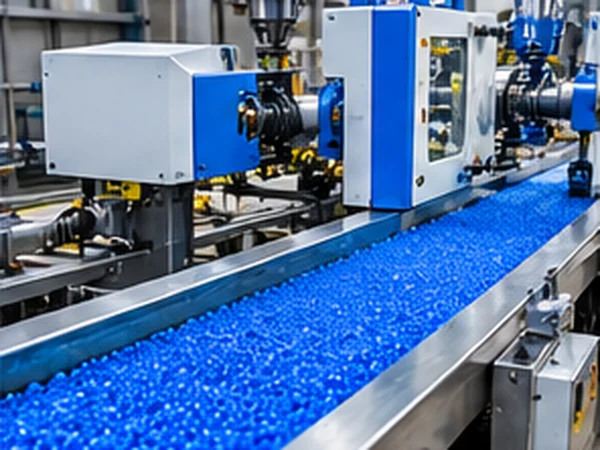
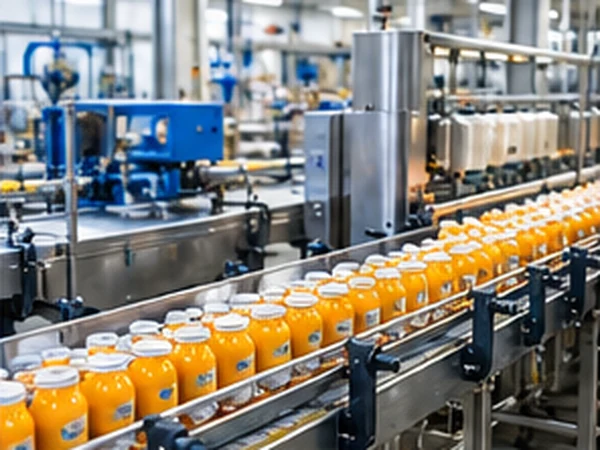
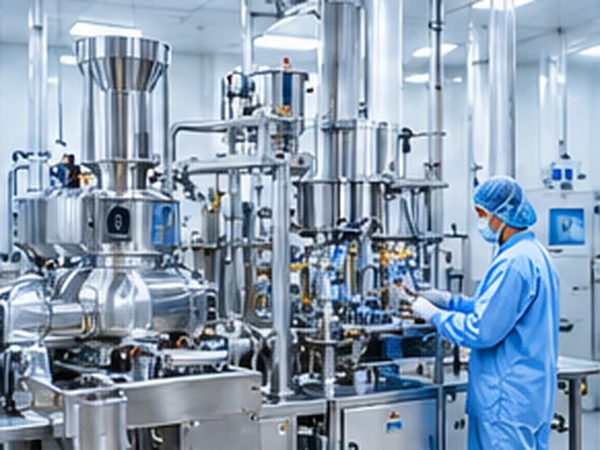
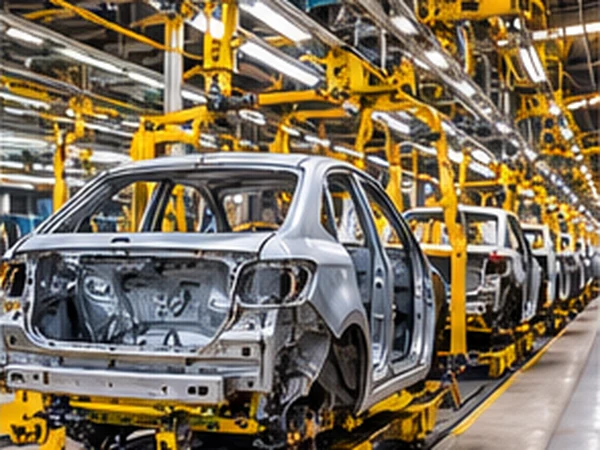
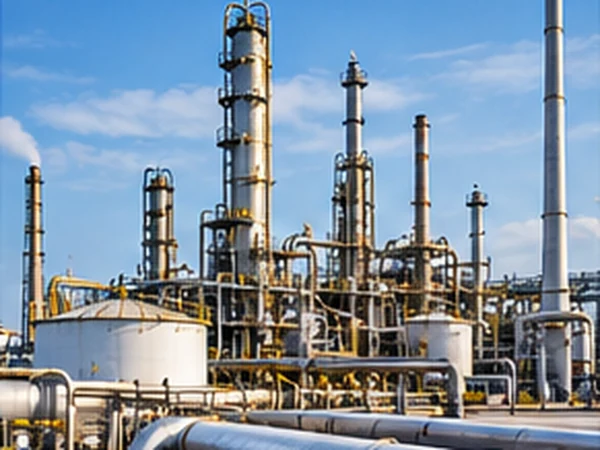
Our experience with these supporting sectors helps textile clients too. When we supply the boiler contractor, the chemical store builder and the warehouse erector on the same project, everyone works from consistent grades and delivery dates.
Textile projects move quickly once a buyer commits, so we keep our ordering process simple and fast.
Large textile buildings sit on wide slabs that must stay flat under heavy looms, stenters and dyeing machines. Port Qasim's coastal ground needs careful preparation, so we arrange construction sand for masonry and plaster, sand gravel for base layers and graded crushed stone for structural concrete and internal roads.
Machine foundations in wet processing areas often need a specific concrete mix to handle vibration and chemical exposure. We can supply aggregate to the grading your designer specifies and time deliveries to match the concrete mixing schedule, so stockpiles do not sit in the open collecting dust and moisture.
Because haulage dominates the cost of aggregate, combining sand and stone with steel, shuttering or pipe deliveries makes a real difference to the final bill and helps keep it at affordable and competitive prices.
Parts of Textile City are still undeveloped, and new investors frequently start with rough land. We support the early works stage with land clearing, excavation services, leveling and foundation preparation through our network of operators and skilled labor crews.
This includes removing scrub and debris, grading to formation level, digging footings for columns and machine bases, trenching for effluent and utility lines, and compacting the ground before blinding. As soon as excavation is signed off, the same order can move into deformed bars, shuttering clamps, tie rods and screw jacks.
Effluent and drainage trenches are a particular focus in this estate, since wet processing units must route water to treatment correctly. Planning those trenches with the foundation work saves expensive rework later. It also keeps the plot tidy for the steel erector who follows, since open trenches across a working site slow down every crane lift and truck movement.
Mill owners comparing project budgets usually ask for the steel rate today and the latest bricks rate in Pakistan. Both swing with billet and scrap import prices, the exchange rate, energy costs and demand from the wider construction market.
We do not publish fixed prices because they would be outdated within days. Instead we send a live written quotation for your exact sections and quantities, including delivery to your Textile City plot. For large sheds built over several months, we can agree staged pricing linked to each dispatch.
Our steel material price quotation is free and creates no obligation, and many clients use it to benchmark other offers before placing purchase orders.
Tarmal Construction Solutions belongs to Hussaini Sulemanjee and Co, founded in 1961, and has grown into an importer, stockist and fabricator for textile, chemical, power and process industries. Here is how we generally compare with a small local vendor when a mill is choosing a supplier.
| Factor | Typical Small Vendor | Tarmal Construction Solutions |
|---|---|---|
| Product range | A few steel sections or hardware lines | Steel, pipes, electrical, safety, lifting, tools and site materials in one order |
| Bulk capacity | Limited stock, frequent back orders | Wholesale stock suited to plant and contractor volumes |
| Industrial experience | Mostly retail and residential buyers | Decades of supply to oil, power, fertilizer and process industries |
| Fabrication | Outsourced or not offered | Metal fabrication, tanks, trays, gratings and powder coating |
| Documentation | Basic receipts | Formal quotations, invoices and delivery records for audits |
| Textile project support | Steel only, no utility or safety lines | Shed steel, steam piping, electrical and fire safety on one account |
We aim to be the building material supplier that a textile project manager can call once and trust to deliver everything the build and the audit require.
Textile City sits inside the Port Qasim complex, reached from Karachi along the National Highway and the internal link roads of the North Western Industrial Zone. Depending on traffic, trucks from the city take around an hour, and long trailers carrying twelve metre sections need routing that avoids tight turns and peak congestion.
Our construction material delivery in Pakistan Textile City includes advance coordination with your site team, load lists matching your purchase order and phased drops for big orders. Steel for a large shed can arrive in the sequence the erector needs, which keeps your yard clear and reduces handling damage.
Coastal humidity and monsoon rain are real risks here. Low lying approach roads can flood after heavy downpours, and bare steel left in the open picks up surface rust. We track the weather in the rainy season, bring forward critical loads where possible and can send steel oiled or covered when storage is not ready.
On pricing, wholesale buying power and a broad stock base let us offer affordable construction material without cutting grade. Bundling steel, piping, electrical and safety items on shared trucks lowers freight per item, which is where most mills see their biggest saving.
For clients with ongoing operations we also offer a simple replenishment routine. Your maintenance team shares a monthly list of consumables such as welding electrodes, grinding discs, fasteners, gaskets, PPR fittings and replacement extinguisher refills, and we deliver them on a fixed day each week or month. Planned top ups like these remove the scramble for small items that so often stops a line, and they let us price the regular basket more sharply than one off emergency purchases.
Expanding a mill in Pakistan Textile City?
Send your BOQ or drawings and receive a delivered quotation from Tarmal Construction Solutions, a high quality construction material supplier for Pakistan's textile and process industries.
BC-10, Shop-7, Block 9 Clifton, Karachi
Yes. We deliver to units across the estate within Port Qasim's North Western Industrial Zone. Share the unit name, plot number and gate contact when ordering so the truck can be cleared quickly.
Yes. We stock H-Beams, I-Beams, C Channels, angles and flat bars used in weaving, knitting and garment halls, and we can deliver in the sequence your erector needs.
Yes. We supply seamless, welded and galvanized steel pipes and fittings for steam, condensate and hot water lines, plus PPR and PVC for general utilities.
Yes. We supply fire extinguishers, hose reels and drums, fire alarms, fire blankets and emergency items, along with electrical cable and switchgear often flagged in compliance reports.
Prices change with import costs and the exchange rate, so we quote live. Send sizes and quantities and we will return a written price that includes delivery to your plot.
Yes. Through our network we arrange land clearing, excavation, leveling, foundation preparation and utility trenching, followed by rebar and shuttering for the pour.
Stocked items usually move within one to two working days after confirmation, and urgent maintenance items can often go the same day. The road trip itself is usually about an hour depending on traffic.
Email your list to Tarmalsteel@gmail.com or call +923323165302, mentioning your unit and plot so transport is priced correctly.